RKG - Clothing manufacturer since 2005

Fully Customizable
RKG Fabris
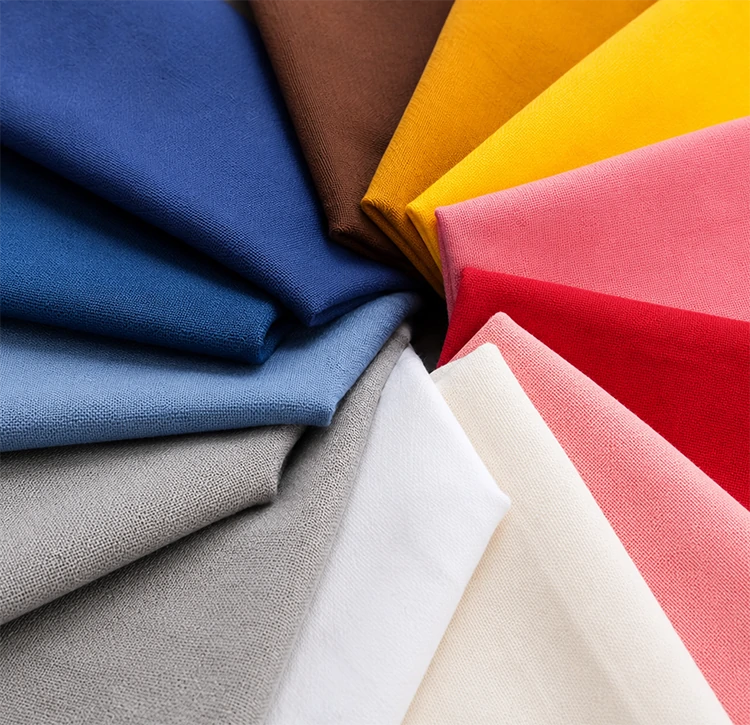
Fabric selection is one of the most important elements of successful apparel development. The right fabric influences garment comfort, appearance, durability, performance, and overall market acceptance.
At RKG Fashion Net, we assist customers in sourcing and selecting fabrics that align with their product requirements, target markets, quality expectations, and budget objectives. Through our network of fabric suppliers and manufacturing partners across Bangladesh, we support a wide range of knitted and woven fabric options suitable for fashion apparel, sportswear, uniforms, children’s wear, sleepwear, workwear, and private label collections.
Our product development and merchandising teams work closely with customers throughout the fabric selection process, helping identify the most suitable materials, constructions, finishes, and performance features for each project.
From basic cotton fabrics to specialized performance materials, we help transform product concepts into commercially successful garments through informed fabric selection and reliable sourcing support.
Knitted Fabrics
Fabric selection plays a critical role in determining the comfort, appearance, durability, performance, and commercial success of a garment. At RKG Fashion Net, we assist customers in sourcing and selecting knitted fabrics that align with their product requirements, target markets, quality expectations, and budget objectives.
Through our network of fabric suppliers and manufacturing partners, we support a wide range of knitted fabric constructions suitable for fashion apparel, sportswear, sleepwear, children’s wear, schoolwear, and private label collections.
1. Single Jersey
Single Jersey is one of the most widely used knitted fabrics in the apparel industry. Lightweight, soft, and breathable, it is commonly used for:
- T-shirts
- Tops
- Sleepwear
- Casualwear
- Children’s clothing
Available in various fiber blends, weights, and finishes.
2. Interlock
Interlock is a premium double-knit fabric known for its smooth appearance, stability, and durability. Common applications include:
- Polo shirts
- Dresses
- Premium t-shirts
- Children’s apparel
Its structure provides improved shape retention and comfort.
3. Rib Knit
Rib fabrics offer excellent stretch and recovery characteristics, making them ideal for:
- Collars
- Cuffs
- Waistbands
- Fitted garments
- Casualwear
4. Fleece
Fleece fabrics provide warmth, comfort, and softness, making them suitable for:
- Hoodies
- Sweatshirts
- Joggers
- Winter apparel
- Sportswear
Available in various weights and finishes.
5. French Terry
French Terry combines comfort with breathability and is commonly used for:
- Hoodies
- Sweatshirts
- Athleisure wear
- Casualwear
- Loungewear
It provides year-round versatility for many apparel categories.
6. Slub Jersey
Slub fabrics feature unique texture variations that create a casual and fashionable appearance. Popular applications include:
- Fashion t-shirts
- Tops
- Casual dresses
- Lifestyle apparel
7. Piqué
Piqué fabrics are recognized for their textured surface and professional appearance. Commonly used for:
- Polo shirts
- Uniforms
- Corporate apparel
- Schoolwear
8. Waffle Knit
Waffle fabrics provide excellent comfort and thermal properties, making them suitable for:
- Thermal wear
- Sleepwear
- Loungewear
- Seasonal apparel
9. Mesh Fabric
Mesh fabrics are lightweight and breathable, making them ideal for:
- Sportswear
- Performance apparel
- Athletic uniforms
- Activewear
10. Tricot
Tricot is a smooth warp-knit fabric frequently used in:
- Sportswear
- Performance garments
- Lining materials
- Specialized apparel applications
Fabric Development & Sourcing Support
Our product development and merchandising teams assist customers with:
- Fabric selection
- Fabric sourcing
- Weight and composition recommendations
- Color development
- Performance requirements
- Cost optimization
- Product-specific fabric recommendations
Sustainable Material Options
Where required, we can assist with sourcing fabrics incorporating:
- Organic Cotton
- Recycled Polyester
- Better Cotton alternatives
- Sustainable fiber blends
- Customer-specified eco-friendly materials
Sustainable Material Options
The ideal fabric depends on several factors:
- Product category
- Target market
- End-use requirements
- Comfort expectations
- Durability requirements
- Decoration methods
- Budget objectives
Our team works closely with customers during product development to identify the most suitable fabric solutions for each project.
Whether you are developing a private label collection, sportswear range, children’s apparel program, or promotional clothing line, RKG Fashion Net can assist with fabric sourcing and product development support throughout the manufacturing process.
Woven Fabric
Woven fabrics are widely used throughout the apparel industry due to their versatility, durability, structure, and wide range of applications. Selecting the right woven fabric is essential for achieving the desired appearance, performance, comfort, and quality of a finished garment.
At RKG Fashion Net, we assist customers with fabric sourcing and product development by helping identify the most suitable woven fabrics for their specific apparel requirements. Through our network of fabric suppliers and manufacturing partners, we support a broad range of woven fabric options for fashion apparel, uniforms, workwear, sportswear, schoolwear, and private label collections.
Canvas
A durable, heavy-duty fabric commonly used for workwear, bags, utility garments, and specialty products.
Chambray
A lightweight and breathable woven fabric suitable for shirts, dresses, and casual apparel.
Corduroy
Recognized by its distinctive ribbed texture, corduroy is often used in trousers, jackets, skirts, and fashion garments.
Denim
One of the most popular woven fabrics worldwide, denim is commonly used for jeans, jackets, skirts, and casualwear.
Flannel
Soft and comfortable, flannel is widely used for shirts, sleepwear, and seasonal apparel.
Functional Fabrics
Performance-oriented woven fabrics designed to provide specific features such as moisture management, UV protection, water resistance, durability, or enhanced comfort.
Gabardine
A tightly woven and durable fabric frequently used for uniforms, trousers, skirts, jackets, and corporate apparel.
Khaki
A versatile twill fabric often used in uniforms, workwear, shorts, and casual trousers.
Oxford
A classic woven fabric commonly used in shirts, uniforms, and business casual apparel.
Plain Cotton
A breathable and comfortable fabric suitable for shirts, dresses, tops, and casual garments.
Ramie
A natural fiber fabric valued for its breathability, strength, and premium appearance.
Satin
A smooth and lustrous fabric commonly used in fashion apparel, sleepwear, and special occasion garments.
Sheeting
A versatile woven fabric suitable for apparel, home textiles, and various commercial applications.
Slub Fabrics
Textured fabrics that create a unique and fashionable appearance, often used in casualwear and contemporary fashion collections.
Taffeta
A crisp and smooth woven fabric frequently used in formalwear, eveningwear, and decorative applications.
Twill
Recognized by its diagonal weave pattern, twill offers durability and structure for trousers, jackets, uniforms, and workwear.
Velour
A soft and luxurious fabric commonly used in tracksuits, loungewear, robes, and fashion apparel.
Viscose
A lightweight and comfortable fabric with excellent drape, often used in dresses, skirts, blouses, and fashion garments.
Fabric Selection Considerations
Choosing the right woven fabric depends on several factors:
- Product category
- Intended end use
- Durability requirements
- Comfort expectations
- Fabric weight and construction
- Decoration compatibility
- Cost targets
- Market positioning
- Sustainability objectives
Fabric Selection Considerations
Where required, we can assist customers with sourcing more sustainable material options, including:
- Organic Cotton
- Recycled Polyester
- Better Cotton alternatives
- Eco-friendly fiber blends
- Customer-specified sustainable materials
Fabric Sourcing & Product Development Support
Our merchandising and product development teams work closely with customers throughout the fabric selection process. We assist with fabric sourcing, quality evaluation, color development, performance requirements, cost optimization, and production planning to help ensure that fabric choices align with product objectives and market expectations.
Whether you are developing uniforms, fashion apparel, workwear, schoolwear, sportswear, or private label collections, RKG Fashion Net can help identify the most suitable woven fabric solutions for your project.
Types of Fibers We Offer for Our Fabrics
The choice of fiber plays a significant role in determining the comfort, appearance, durability, performance, and sustainability of a finished garment. Different fibers offer unique characteristics, making them suitable for specific apparel applications and market requirements.
At RKG Fashion Net, we assist customers in selecting the most suitable fibers based on product requirements, target markets, performance expectations, and sustainability objectives. Here are nine types of fibers we offer:
1. Cotton Fiber
Cotton remains one of the most widely used natural fibers in the apparel industry due to its comfort, breathability, and versatility.
Common Applications:
- T-shirts
- Polo shirts
- Children’s apparel
- Underwear
- Casualwear
- Sleepwear
Key Benefits:
- Soft and comfortable
- Breathable
- Skin-friendly
- Easy to care for
2. Bamboo Fiber
Bamboo-derived fibers are valued for their softness and moisture-management properties.
Common Applications:
- Activewear
- Underwear
- Sleepwear
- Casual apparel
Key Benefits:
- Soft hand feel
- Breathable
- Moisture management
- Lightweight comfort
3. Modal Fiber
Modal is a regenerated cellulose fiber known for its softness and excellent drape.
Common Applications:
- Dresses
- Tops
- Loungewear
- Sleepwear
- Premium basics
Key Benefits:
- Soft texture
- Smooth appearance
- Excellent drape
- Comfortable wear
4. TENCEL™ Fiber
TENCEL™ fibers are widely used in premium apparel due to their comfort and sustainability characteristics.
Common Applications:
- Fashion apparel
- Dresses
- Blouses
- Premium casualwear
Key Benefits:
- Soft touch
- Breathability
- Moisture management
- Eco-conscious material option
5. Viscose Fiber
Viscose offers comfort, softness, and excellent draping characteristics.
Common Applications:
- Dresses
- Blouses
- Fashion tops
- Skirts
Key Benefits:
- Lightweight
- Comfortable
- Good drape
- Versatile applications
6. Nylon Fiber
Nylon is a durable synthetic fiber frequently used in performance-oriented apparel.
Common Applications:
- Sportswear
- Swimwear
- Activewear
- Performance garments
Key Benefits:
- Strength
- Durability
- Quick drying
- Lightweight performance
7. Lycra® / Spandex Fiber
Lycra® and Spandex fibers provide elasticity and flexibility for garments requiring stretch.
Common Applications:
- Sportswear
- Leggings
- Activewear
- Swimwear
- Performance apparel
Key Benefits:
- Excellent stretch
- Shape retention
- Improved comfort
- Enhanced mobility
8. Polyester Fiber
Polyester is one of the most widely used synthetic fibers due to its durability and versatility.
Common Applications:
- Sportswear
- Uniforms
- Performance garments
- Casualwear
- Outerwear
Key Benefits:
- Durable
- Wrinkle resistant
- Quick drying
- Cost efficient
9. Specialty Fibers
Depending on project requirements, we may assist with sourcing specialty fibers and blends for unique product applications.
Examples include:
- Metallic fibers
- Technical performance fibers
- Sustainable fiber blends
- Customer-specified specialty materials
Sustainable Material Options
As market demand for responsible sourcing continues to grow, we can assist customers with sourcing fabrics containing:
- Organic Cotton
- Recycled Polyester
- Sustainable cellulosic fibers
- Eco-friendly fiber blends
- Customer-specified sustainable materials
Choosing the Right Fiber
The ideal fiber depends on several factors:
- Product category
- Target consumer
- Comfort requirements
- Durability expectations
- Performance needs
- Sustainability goals
- Cost objectives
Our product development and sourcing teams work closely with customers to identify the most appropriate fiber solutions for each project.
Whether developing fashion apparel, sportswear, uniforms, children’s wear, sleepwear, or private label collections, RKG Fashion Net can assist with fiber selection, fabric sourcing, and product development support throughout the manufacturing process.
Finishes
Fabric finishing plays an important role in determining the appearance, texture, performance, comfort, and durability of a garment. The right finishing treatment can significantly enhance product quality and help garments meet specific market, performance, and customer requirements.
At RKG Fashion Net, we assist customers in selecting appropriate fabric finishing options through our network of fabric suppliers and manufacturing partners. Depending on product specifications and end-use requirements, various finishing techniques can be applied to improve fabric performance and appearance.
1. Enzyme Wash
Enzyme washing is commonly used to create a softer hand feel and a more natural worn-in appearance.
Common Applications:
- Denim garments
- Casualwear
- Fashion apparel
- Vintage-style products
Benefits:
- Improved softness
- Enhanced comfort
- Reduced fabric stiffness
- Environmentally friendlier than traditional stone washing
2. Anti-Pilling Finish
Anti-pilling treatments help reduce the formation of fiber balls on fabric surfaces during wear and laundering.
Common Applications:
- Knitwear
- Fleece garments
- Sportswear
- Casualwear
Benefits:
- Improved garment appearance
- Extended product lifespan
- Better fabric performance
3. Calendaring
Calendaring uses controlled heat and pressure to smooth fabric surfaces and improve appearance.
Common Applications:
- Fashion fabrics
- Uniform fabrics
- Specialty textiles
Benefits:
- Enhanced smoothness
- Improved luster
- Better surface appearance
4. Tumbling
Tumbling helps soften fabrics and improve comfort by mechanically relaxing the fabric structure.
Common Applications:
- Casualwear
- Fashion garments
- Washed products
Benefits:
- Softer hand feel
- Improved comfort
- Enhanced garment appearance
5. Brushing
Brushing raises surface fibers to create a soft and warm texture.
Common Applications:
- Fleece
- Flannel
- Winter apparel
- Loungewear
Benefits:
- Improved softness
- Better insulation
- Enhanced comfort
6. Dyeing & Coloration
Different dyeing techniques can be used depending on fabric type, product requirements, and design objectives.
Available Options May Include:
- Piece Dyeing
- Yarn Dyeing
- Garment Dyeing
- Reactive Dyeing
- Pigment Dyeing
- Digital Printing
- Sublimation Printing
Benefits:
- Wide color flexibility
- Improved design possibilities
- Enhanced product differentiation
7. Coating & Performance Finishes
Specialized coatings may be applied to improve fabric functionality.
Common Applications:
- Outdoor apparel
- Workwear
- Technical garments
- Performance products
Possible Benefits:
- Water resistance
- Wind resistance
- Improved durability
- Functional performance enhancement
8. Mercerization
Mercerization is a treatment applied primarily to cotton fabrics to improve appearance and performance.
Benefits:
- Enhanced luster
- Improved dye uptake
- Increased strength
- Better dimensional stability
Additional Functional Finishes
Depending on customer requirements, additional treatments may include:
- Water Repellent Finishes
- Wrinkle Resistant Finishes
- Flame Retardant Finishes
- Moisture Management Finishes
- Anti-Microbial Treatments
- UV Protection Finishes
- Soil Release Finishes
Selecting the Right Finish
The most appropriate finishing treatment depends on:
- Product category
- End-use requirements
- Fabric composition
- Performance expectations
- Market positioning
- Budget objectives
Our product development and sourcing teams work closely with customers to identify finishing options that support product performance, quality expectations, and commercial objectives.
Whether you are developing fashion apparel, sportswear, workwear, uniforms, children’s wear, or private label collections, RKG Fashion Net can assist with fabric sourcing, finishing selection, and product development support throughout the manufacturing process.
Proprietary Technologies
Modern apparel consumers increasingly expect garments to provide more than just style and comfort. Functional fabric technologies can improve performance, durability, moisture management, protection, and overall wearer experience.
At RKG Fashion Net, we assist customers in sourcing fabrics and developing garments that incorporate a wide range of performance features suitable for sportswear, activewear, workwear, outdoor apparel, uniforms, and lifestyle products.
Moisture Management
Moisture management technologies are designed to move perspiration away from the skin and improve evaporation.
Common Applications:
- Sportswear
- Activewear
- Performance apparel
- Training garments
Benefits:
- Improved comfort
- Faster drying
- Better temperature regulation
- Enhanced performance
Quick-Dry Fabrics
Quick-dry fabrics are engineered to reduce moisture retention and accelerate drying time.
Common Applications:
- Sportswear
- Outdoor apparel
- Travel clothing
- Performance garments
Benefits:
- Reduced drying time
- Increased comfort
- Improved practicality
Stretch Performance
Stretch fabrics provide improved flexibility and freedom of movement through the use of elastic fibers and specialized fabric constructions.
Common Applications:
- Activewear
- Leggings
- Sportswear
- Uniforms
- Workwear
Benefits:
- Improved mobility
- Enhanced comfort
- Better garment fit
- Increased durability during movement
Soft-Touch Finishes
Soft-touch technologies improve fabric hand feel and wearer comfort.
Common Applications:
- Casualwear
- Loungewear
- Children’s apparel
- Premium fashion garments
Benefits:
- Enhanced softness
- Improved comfort
- Premium product feel
Anti-Microbial Protection
Anti-microbial treatments help reduce the growth of odor-causing microorganisms on fabric surfaces.
Common Applications:
- Sportswear
- Activewear
- Uniforms
- Performance apparel
Benefits:
- Odor control
- Improved freshness
- Enhanced wearer comfort
UV Protection
Certain fabric constructions and treatments can help provide protection against ultraviolet (UV) radiation.
Common Applications:
- Outdoor apparel
- Sportswear
- Workwear
- Uniform programs
Benefits:
- Additional sun protection
- Improved outdoor performance
Thermal Insulation
Insulating fabrics help retain body heat in cooler conditions while maintaining comfort.
Common Applications:
- Winter apparel
- Outdoor clothing
- Performance outerwear
- Thermal garments
Benefits:
- Improved warmth
- Enhanced comfort
- Better cold-weather performance
Water Repellent Technologies
Specialized finishes can improve a fabric’s resistance to water penetration.
Common Applications:
- Outdoor apparel
- Jackets
- Workwear
- Technical garments
Benefits:
- Improved weather protection
- Enhanced garment performance
Product Development Support
Our product development and sourcing teams work closely with customers to identify suitable performance features based on:
- Product category
- End-use requirements
- Market positioning
- Performance objectives
- Budget considerations
Through our network of fabric suppliers and manufacturing partners, we help customers develop garments that combine functionality, comfort, durability, and commercial appeal.
Whether you are developing sportswear, activewear, workwear, outdoor apparel, uniforms, or private label collections, RKG Fashion Net can assist with fabric sourcing, technology selection, and product development support.